Midlife for many people with penises and prostates can seem like just a gradual dimming of something you didn’t know how to name until it started.
The changes that come with midlife don’t arrive all at once - full force, without any warning. Much like perimenopause for women, there’s no single moment, no clear before and after. Instead, there’s a morning you notice it takes longer to get aroused. At night you might be more tired than interested in sex. That nagging back pain you used to get from time to time seems to have taken up permanent residency. You might see a pattern — and, for many men, this is deeply unsettling in a way a lot of people don’t feel equipped or emboldened to talk about.
Lack of education is the problem, not the changes themselves. Testosterone decline is real and gradual, sometimes beginning as early as 30. By the mid-40s and 50s, the cumulative effect of our bodies changing in midlife can show up as lower sex drive, slower arousal, longer recovery time between orgasms, changes in erection quality, and shifts in mood, energy, and sleep. All the while the prostate begins to enlarge — a slow development that often affects urinary function, sexual sensation, and comfort in ways that don't get discussed until it becomes a bigger problem and we have a conversation with our doctor. Don’t worry, you’re not alone.
The Real Issue: Identity and the body you thought you knew
Here’s what makes midlife uniquely difficult for men: for many, sexual function and libido have been quietly entangled with identity for eons. Performance, reliability, readiness, horniness get wrapped up in what society says about masculinity in ways that we tend not to examine until the body starts changing. When arousal slows and erections become unreliable, the instinct is often to withdraw when what will help us most is connection. Withdrawal separates us from intimacy, from vulnerability and from communication. It might surprise you that it’s that distance, more than any physical change, that does the real damage to our self-esteem and to our relationships.
The physiological changes are manageable, but losing the richness of connection with our partner is less obvious and sneaks up on us until we feel an even deeper loss that we can’t quite put a finger on.
Getting Curious: What your body is asking for now
What worked automatically in your 20s might now require more time, touch, presence, and patience. This is not a failure. It’s an enticement to pay more attention to being in the moment, maybe more than you ever have before. Take this opportunity to explore all your options that you may not have considered before.
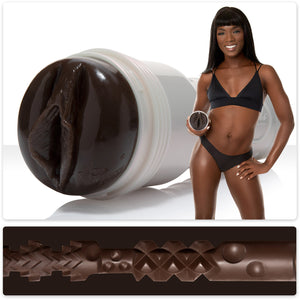
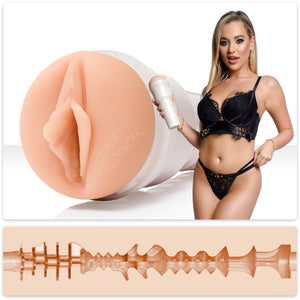
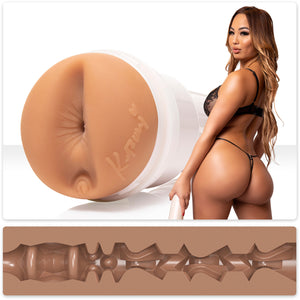
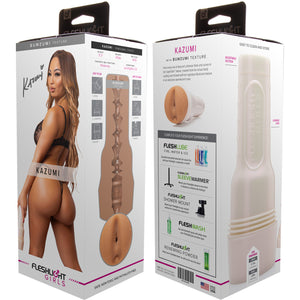
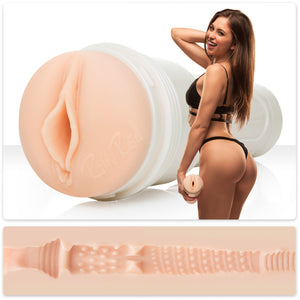
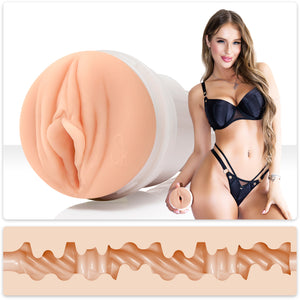
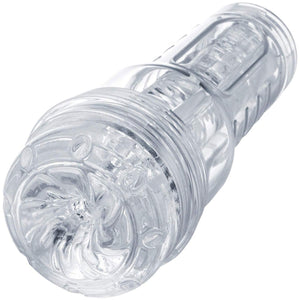
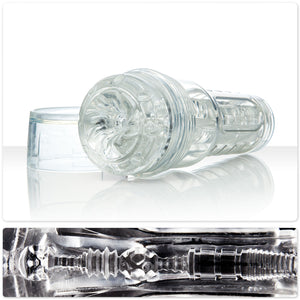
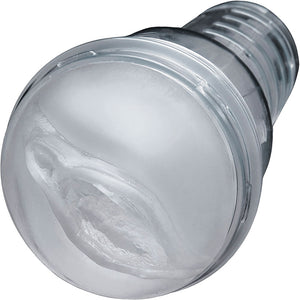
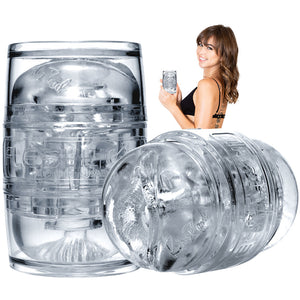
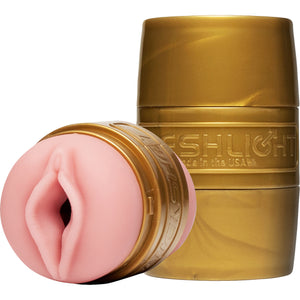
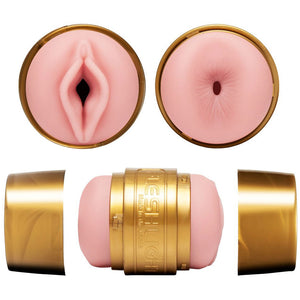
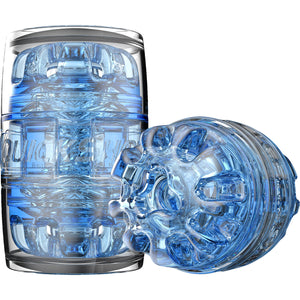
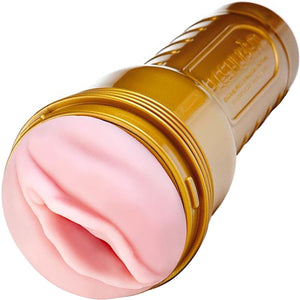
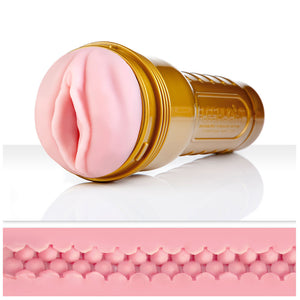
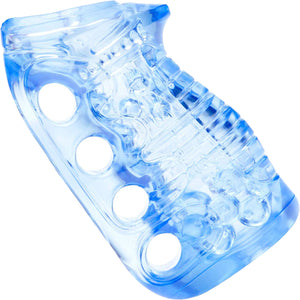
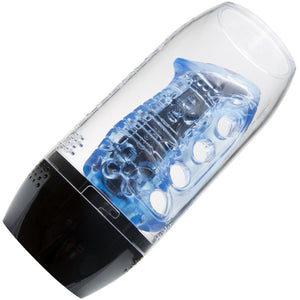
Adult products designed for men are devices that can support erection, enhance sensation, delay climax, or introduce prostate stimulation are now more thoughtfully designed than ever and worth investigating. A vibrating ring, for instance, can add an additional layer of sensation in a place you might not have thought to add previously. A stroker can have an equally novel impact on masturbation that can add levels of excitement one had not thought possible. Speaking of novel, a prostate massager can offer a deeper, richer and more intense orgasm that might not have been available to you before. Exploring these items are an opportunity to expand self-pleasure and the physical side of our relationships. These are tools for enjoyment, and using them with a partner can open up new territory that many couples never find without some kind of catalyst. Look at this moment as a way to expand the connection between you and your partner. Alone time matters here too. Getting reacquainted with your own arousal and what still works, what’s changed, and what surprises you, before bringing a partner into that discovery gives you something to share that can (re)build connection and intimacy.
Conversations Worth Having: Start here
Many folks with penises and prostates who struggle in midlife are struggling alone. Take on the challenge to change the narrative around men in midlife. Studies show that there’s about a 1% annual testosterone drop after age 30, and that 1 in 2 men over 50 have noticeable prostate enlargement, and that can mean a harder time getting or staying … um, hard. 7 in 10 men don’t discuss sexual health with a doctor and that’s a missed opportunity. Make that appointment with your doctor and ask them about testosterone levels, prostate health, erectile function, and whether any medications are affecting libido or could help performance (if that’s a concern). In fact, seeing a urologist or men’s health specialist is something to explore, as they tend to go deeper than a general practitioner.
When it comes to your partner, talk to them about what’s changing before they interpret any withdrawal as rejection. That conversation — awkward as it is — is the one that keeps connection present and feelings from getting hurt. Go ahead and tell them what still feels good, what intimacy looks like for you, and ask what they need physically and what they need to feel desired. It’s very important to make this an ongoing conversation, not a single discussion that can get forgotten a month later. So, talk, talk, talk, and when all else fails - talk some more.
Lastly, go inward and ask yourself “what am I actually feeling about all of this?” Really dig deep and see if there might be some shame, grief, even relief or curiosity. All of it is valid. The more you can navigate midlife with an internal magnifying glass, the more you can get out of this time of life.
Finally: The quiet shift doesn’t have to mean a quiet life.
It’s important to understand that what’s changing is real, and it asks something of you, like some curiosity, some honesty, some willingness to let go of who you were in bed at 30 and get interested in who you are now. Work on some self-compassion. The version of intimacy ahead of you might be different, but it’s not less than. And kudos to the men who stay in the conversation rather than retreating from it, they might find sex richer and more fulfilling than anything that came before.
Elle Chase abs, csc, clc - Certified Life Coach & Sexologist